Mulch vs Pine Straw: Choosing the Best Mulching Option for Your Landscape
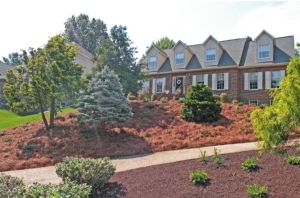 A common question we receive is: Mulch vs Pine Straw–which is the best mulching medium for your landscape? Of the three types we use (rock, wood mulch, and pine straw), wood mulch and pine straw are the two most common. When discussing the differences between these two types of mulch, we often receive a few key questions.
- Which medium is better for weed control?
- Is there a difference in chemical makeup that affects plant growth?
- In general, is one better than the other?
The goal of this blog is to help explain the major differences and benefits of both media and aid you in deciding which is best for your landscape. Let’s jump in!
Mulch vs Pine Straw: What You Need To Know
As with many things, here in Virginia, we are in a transition zone of desired mulch. Go south and you’ll find pine straw to be more common than mulch. Go north, and pine straw is rare to find. Mulch is the bark from timbered trees (usually local), primarily from Oak, Maple, Hickory, and other hardwood species. There are species and color-specific mulches available. Pine straw is bulk needle drop from long-needle Pine species of the southern states that is baled for a bronze colored mulching medium.
Weed Control
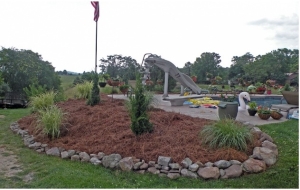 Imagine this: you’ve just had your landscaping installed. You sit out on your front porch to watch the sunset paint your new shrubs, trees, and flowers in a warm hue. There’s a light breeze floating through, and everything is perfect. The last thing on your mind at this very moment is weeds. Weeds are a gardener’s nemesis, and that goes for landscape beds as well!
In our experience, regardless of whether you use pine straw or mulch, weeds will always be present. Most often, pine straw seems to have more weed-controlling power than mulch. The mulching medium alone will not prevent weeds entirely, but both will do a great job of aiding in the control of said weeds.
Weed Control Tips:
- Maintain mulch or pine straw thickness at 3–5″ to optimize weed suppression.
- Pull weeds carefully; move mulch back before replacing.
- Pine straw naturally settles flat, making leaf and weed removal easier.
While we recommend spraying weeds with a weed killer such as Round-Up, pulling weeds is often the go-to option for many homeowners.
Chemical Makeup: Mulch vs pine straw
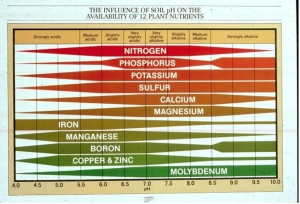 Plants need a variety of chemicals in their soil to flourish. The three major components are nitrogen, phosphorus, and potassium. The other components are less common but include magnesium, calcium, and sulfur. Some of these other components adjust the alkalinity of the soil to decrease acidity. Both wood mulch and pine straw increase the acidity of soil, but they only do so slightly. While some plants prefer more acidic soil, the amount of change from your mulch alone isn’t enough to greatly affect your plants.
So, which is better?
 There’s really no evidence that pine straw is better or worse than wood mulch. It eventually comes down to a few key points, and they all depend on personal preference.
Aesthetic Considerations
There’s really no evidence that pine straw is better or worse than wood mulch. It eventually comes down to a few key points, and they all depend on personal preference.
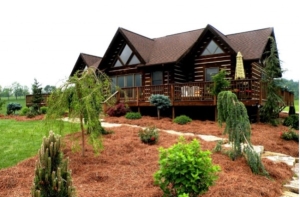
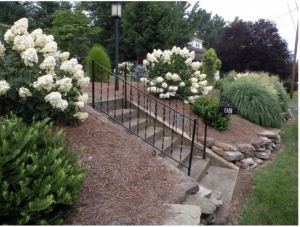
- Pine straw has a more natural, unmanicured appearance than traditional wood mulch. The needles mimic a forest floor, providing a rustic aesthetic.
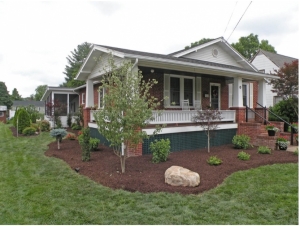
- Mulch offers a much more manicured appearance and can come in many different colors, types, and sizes. Pine straw only comes in one color, so if you prefer a color other than rusty brown, mulch would likely be a better choice.
 Installation Tips
- Mulch: requires transport, manual spreading, and smoothing.
- Pine straw: can be installed much more quickly and with less effort, ideal for DIY top-dressing.
- Consider wind and rain timing for pine straw installation to avoid displacement.
 Longevity & Maintenance
Keep in mind there is “natural” wood mulch and “dyed” natural wood mulch. Dyed wood mulch holds its color for longer (usually 12+ months) and may only need replenishing every 1–2 years, as wood mulch maintains coverage for 18–24 months. Pine straw should be replenished once a year. Natural mulch and pine straw fade with sun exposure, but both remain effective ground covers. These differences mainly affect aesthetics and maintenance needs.
Color Retention
- Dyed Mulch
- Natural Mulch
- Pine Straw
- 12-18 months
- 3-6 months
- 6-9 months
- Dyed Mulch
- Natural Mulch
- Pine Straw
Choosing Between Mulch vs Pine Straw
To sum up, choosing between mulch vs pine straw ultimately comes down to personal preference, your landscape’s micro-environment, and the look you want to achieve. Both are excellent options:
- Wood mulch: manicured, tidy appearance, multiple colors and types, slightly heavier and more labor-intensive.
- Pine straw: rustic, natural look, lightweight, easier installation, yearly replenishment.
Published By: Anthony Campbell II, Sales Operations